Last updated: October 24, 2026
A $20 marketplace deal can turn ugly fast; so can a landlord deposit, a job offer, or an investment pitch. In How to Verify Before You Trust Anyone Online — The Complete Guide, the rule is blunt: verify identity, verify control, and verify claims before you hand over money, access, personal data, or your reputation. Quick Answer: use at least 2 independent checks before you trust anyone online. Trust in layers, not in leaps. Stop when the proof no longer fits the risk.
Key Takeaways
- Start with the person’s real-world footprint, then check whether the online account matches it.
- Treat urgency, secrecy, and payment pressure as warning signs, especially with gift cards, wire transfers, crypto, and remote access tools; if the issue is serious, consider consulting a qualified professional or the relevant platform’s support, and check official guidance such as the FTC’s scam advice.
- Match the depth of verification to the stakes: a $20 marketplace sale may need less checking than a landlord deposit, job offer, or investment pitch.
- Never rely on one proof point. A polished profile, a shared photo, or a verified badge can still be fake.
- When something feels off, slow down and switch channels: call a known number, confirm through an official site, or ask for documentation that can be checked independently.
- If the person blocks verification, changes the story, or pushes you to act before you can check, that is your answer.
What should I verify first online in How to Verify Before You Trust Anyone Online — The Complete Guide?

Identity comes first. Why? Because fake identity makes every other lie easier to sell. If you only have 5 minutes, begin with the name, the account handle, the domain, the phone number, and the payment destination. Those are usually where the mismatch shows up.
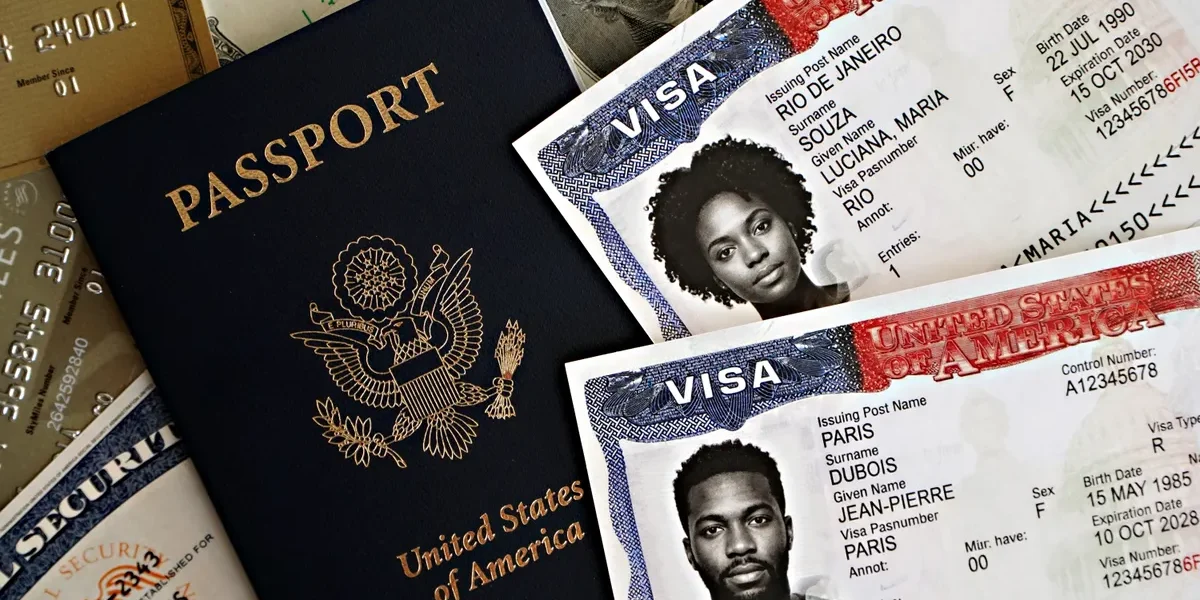
A seller, freelancer, landlord, recruiter, romantic interest, or “support agent” should line up across at least two independent sources. A real business usually has a website, a matching email domain, a known physical address, and a third-party trail older than yesterday. A real person should have profile history, human-looking social ties, and a consistent trail across platforms.
Use a quick order like this:
- Copy the exact name, username, phone number, email, website, and payment method into one note.
- Search the name in quotes, plus the company name, city, or platform. Look for mismatched spellings and reused profile photos.
- Check whether the email domain belongs to the claimed company. A recruiter using Gmail for a major employer is a weak sign unless it is clearly a contractor or small business.
- Inspect the profile age and activity. A 2-week-old account with a long story and a payment request deserves suspicion.
- Look for independent records: a corporate registry, a professional license lookup, a domain WHOIS history, an app store listing, or a platform reputation page.
- Stop if the story depends on one screenshot, one testimonial, or one “proof” image you cannot independently confirm.
What worked: the details match across sources, the contact can be found outside the app, and the payment destination belongs to the named person or company. What failed: the person exists only in the inbox, the domain was registered recently, or the payment path points to a random account with no tie to the claim.
This is not for situations where you already know the person well and are only confirming a small detail, like a delivery time. It is for strangers, near-strangers, and anyone asking you for money, access, or private information.
Quick check: If you can independently find the person outside the platform and the key details line up, you are on the right track. If not, stop treating the contact as trustworthy and, if needed, consult a qualified professional.
How do I tell if an online profile is real?
An online profile is probably real when its history, connections, and linked accounts look boring in the right way. Fake profiles often look dramatic, but the real giveaway is inconsistency: too-perfect photos, too-few posts, recycled bios, sudden relationship moves, or a claim that outpaces the account’s age.
A polished page is not the same thing as a real one. Does it feel lived in? That question usually beats, “Does this look good?” Real accounts tend to leave ordinary traces: old comments, uneven posting gaps, local references, tagged photos from different times, and a normal mix of content. Fake ones often reuse the same headshot across several sites or keep the account oddly narrow.
A practical path:
- Reverse-search the profile photo with Google Images, TinEye, or Yandex Images.
- Check whether the image appears on stock sites, old professional bios, or unrelated names.
- Scan the posting history for age, rhythm, and context. An account that appears to begin 3 days ago and immediately starts pitching trust is a red flag.
- Look at the follower-to-following ratio, but do not overvalue it. High counts can be bought; low counts can be normal for private people.
- Read a few comments and replies. Real accounts usually have a pattern of ordinary interaction, not just praise from suspiciously similar profiles.
- Cross-check the name and employer or location on LinkedIn, Facebook, Instagram, X, GitHub, or a company site if the person claims a professional role.
What worked: the photo is not stolen, the timeline makes sense, the profile has ordinary human history, and the same person appears in more than one place. What failed: the photo belongs to someone else, the account has no real past, or every “friend” in the comments looks synthetic.
Be careful with one common trap: verification badges do not prove character, honesty, or even identity in the broad sense. They may only show that a platform checked a phone number, payment method, or document at some point. That helps, but it is not enough.
This section is not for public figures with controlled branding, where the profile may be curated and still authentic. It is for ordinary accounts where authenticity should leave a messier trail, which is why How to Verify Before You Trust Anyone Online — The Complete Guide keeps coming back to cross-checks rather than appearances.
Quick check: If the account has a believable history and the photo does not belong to someone else, you have a better-than-average sign. If the account’s life started yesterday, treat it as unproven and, if the decision matters, consult a qualified professional.
How do I verify before sending money?
Check the payment destination first, not the sales pitch. Before you send a cent, make sure the name, route, and purpose all fit. If money is involved, the safest rule is: no pressure, no shortcut, no untraceable method unless you are already dealing with a trusted institution you independently confirmed.
This is where many people get burned, because scams often feel “reasonable” right up until the payment step. A fake landlord may show a real-looking apartment. A fake buyer may offer more than your asking price. A fake recruiter may send an offer letter that looks clean. The pressure lands at the payment, deposit, fee, or “refund” stage.
Use this order:
- Identify the exact payment rail: bank transfer, wire, ACH, debit card, PayPal Friends and Family, cash app, gift card, crypto, Zelle, or escrow.
- Ask what the payment is for and whether that payment method is normal for that situation. Gift cards for deposits, crypto for normal business transactions, and wire transfers for casual marketplace deals are high-risk patterns.
- Check that the recipient name matches the claimed business or individual. A mismatch is not always fraud, but it is a reason to stop and ask for an explanation.
- Search the company name plus “scam,” “review,” “complaint,” and the payment app name. Look for repeated warnings about the same destination.
- Call the business using a phone number from its official site, not the one in the message thread, and confirm the request.
- If the amount is large, ask for an invoice, contract, or escrow arrangement and give yourself at least 24 hours before sending funds.
The best path depends on the stakes. For a small marketplace transaction, a platform’s protected checkout is usually safer than moving to text or email. For a house rental, a lease and a property-record check matter more than a polished video tour. For an investment pitch, walk away unless the person and the firm can be verified through official registries and licensed professionals.
What worked: the recipient is consistent, the method fits the situation, and the payment can be traced or reversed if something goes wrong. What failed: urgency, mismatch, or a method that makes recovery nearly impossible.
If the request includes crypto, gift cards, or “send first and I’ll refund you,” the answer is usually no. Those methods are favored because they are hard to claw back. In finance, legal, or real estate territory, consider speaking with a licensed professional before moving money, and follow guidance from official consumer sources such as the FTC or your local regulator.
Quick check: If the money path is normal, traceable, and confirmed outside the message thread, proceed carefully. If the request is rushed or untraceable, stop.
Which details matter most when someone claims to be a business?
A logo is cheap. Records are not. If someone claims to represent a company, verify the company first, then the person. A real business usually leaves a trail through official filings, domain registration, address records, license databases, and recognizable contact channels.
The most useful checks are boring ones:
- Company registration in the relevant state, province, or country
- A domain that matches the company name or a known brand pattern
- A business phone number that reaches a real switchboard or office
- A physical address that can be matched to a legitimate office, not just a mailbox
- Staff profiles that mention the company from a long-standing account
- Licensing, where the work is regulated: real estate, insurance, financial advising, law, contracting, and healthcare all have formal lookup tools
If you are dealing with a recruiter, contractor, vendor, or support representative, use this path:
- Open the company’s official website and find the contact page or staff directory.
- Compare the email domain exactly. One letter off is enough to matter.
- Check the phone number on the site and call it directly if the request involves money, access, or documents.
- Search the company name in a business registry or license database relevant to the location.
- Look for the person’s name on LinkedIn or the company site, but treat self-declared profiles as supporting evidence, not proof.
- If the company is public-facing, see whether the request is part of a known workflow, such as an invoice number, job requisition, or support ticket.
What worked: the person is anchored to an actual company with records you can find without their help. What failed: the company exists only as a logo in an email signature, the address is a mail drop, or the “support rep” refuses to use the official site’s contact route.
This section is not for a one-person side business that operates informally and has no formal registration in the country involved. In that case, you need more caution, a smaller transaction, and a payment path with protection, which keeps the verification process tied to the reality of the deal.
Quick check: If the company can be found in public records and the person matches that company, the claim is stronger. If the only proof is their own branding, keep your distance.
When the standard advice is wrong in How to Verify Before You Trust Anyone Online
The standard advice fails when the risk is high, the identity is easy to fake, or the platform itself is part of the problem. If someone wants access to your device, your credentials, or your reputation, “just trust your instincts” is too vague. Use an independent channel or do not proceed.
Here are the common failure modes and what to do instead:
| Situation | Best Path | Why Other Options Fail |
|---|---|---|
| Job offer sent over email or messaging | Verify the recruiter through the company’s official careers page and call the company’s published number | Relying on the sender address alone misses spoofed domains and compromised inboxes |
| Marketplace buyer or seller | Keep the deal inside the platform and use protected payment only | Off-platform payment removes dispute tools and traceability |
| Romance or friendship request from a stranger | Reverse-image search the photos and insist on a live video call with a current, spontaneous action | Chat history can be fabricated; photos and scripted calls can be recycled |
| Tech support contact | Close the chat, open the vendor’s official site yourself, and start a new support case | Fake support often appears first in search ads or pop-ups |
| Investment pitch | Verify registration, licensing, and disciplinary history before any transfer | A polished deck does not prove the person can legally or honestly handle funds |
If the situation is time-sensitive, the right move is usually to slow the process by 10 minutes, not to skip verification. A real bank, employer, landlord, or vendor can wait for a callback through an official channel.
Use this 6-step path when the stakes are serious:
- Identify the exact claim: who they say they are, what they want, and what happens if you comply.
- Find an independent source for the same claim: official website, registry, license search, known phone number, or platform help page.
- Compare the claim against that source line by line: name, domain, title, address, and payment path.
- Test for pressure. If the person tries to make you act in under 1 hour, treat that as a risk multiplier.
- Ask for one piece of proof that is hard to fake, such as a live call from a published number, a signed document, or a verifiable ticket number.
- If the proof fails or the person resists, stop. A refusal to verify is itself a result.
What worked: the independent source confirms the claim. What failed: the only evidence is self-issued, time pressure is extreme, or the request bypasses normal safeguards.
This section is not for a low-stakes conversation with a long-time friend. It is for the moments when the request can cost money, access, privacy, or legal trouble.
Quick check: If the situation would hurt you badly if it were fake, do not use casual trust as your filter. Use outside proof or do not move forward.
What should I do if the person keeps changing the story?
Stop collecting explanations and start collecting contradictions. A trustworthy person may make a small mistake or forget a detail. A dishonest one often shifts names, timelines, payment methods, or proof the moment you ask a hard question.
Changing stories matter most when the person does any of these:
- Gives one company name in chat and a different one in email
- Moves from one payment app to another after you ask a question
- Changes the job title, address, or delivery time
- Keeps replacing evidence with screenshots that cannot be checked
- Answers direct questions with new claims instead of direct answers
The right response is not to argue. It is to freeze the deal and run a consistency check.
- Save the original messages or screenshots before anything disappears.
- Write down each claim in a simple list: name, company, date, amount, address, and method.
- Mark every change. A single change may be innocent; repeated changes form a pattern.
- Verify the most falsifiable item first: phone number, domain, payment handle, tracking number, or physical address.
- Ask one yes-or-no question that can be answered without a story. For example: “Is this the official company email domain?”
- If the answer dodges the question, end the conversation and move to a known official channel.
What worked: the person can keep the facts straight and confirm them outside the chat. What failed: the story mutates every time you ask for a basic check.
A good rule: the more the person explains, the less you should rely on words and the more you should rely on records. If the records do not exist, or the person will not anchor the claim to anything outside the conversation, that is not a verification problem. It is a trust problem.
Quick check: If the story is stable and independently confirmed, keep going. If the facts keep moving, you are not dealing with a reliable source.
Edge cases where normal verification breaks down
Normal advice breaks down when the channel is hostile, the identity is fuzzy, or the interaction is designed to be brief. If any of these scenarios applies, the usual “search their name and look for reviews” advice is too weak.
-
A small local seller with almost no web presence
What changes: there may be no website, no LinkedIn, and no official domain to check.
What to do instead: verify through platform history, pickup location, live video, and a small first transaction. If the seller cannot show the item in a live call or meet in a public place, do not treat the offer as safe. -
A relative or friend using a new number
What changes: the relationship is real, but the channel may be hijacked.
What to do instead: call the old number, use a previously known contact method, or ask a question only the real person would know from past context. If the message asks for money or urgent action, verify through another channel before helping. -
A job recruiter on LinkedIn with a polished profile
What changes: the platform itself supplies a false sense of legitimacy.
What to do instead: go to the company careers page, find the role, and compare the recruiter’s name and email against the company’s listed contacts. If the role does not exist on the official site, assume the profile is not enough. -
Customer support that reaches out first
What changes: scammers often impersonate support in search ads, DMs, and pop-ups.
What to do instead: close the message, open the vendor site yourself, and start a new support request from the official page. Never give remote access through a link sent by the contact. -
An emergency with real pressure
What changes: urgency can destroy judgment.
What to do instead: verify the request with a second channel and a shorter checklist. In emergencies, use one dependable anchor — a known phone number, a registry, a hospital switchboard, a bank’s official fraud line, or a police non-emergency number — rather than trying to solve everything online. -
A person who is technically real but still not safe
What changes: identity verification does not equal trustworthiness.
What to do instead: separate “this person exists” from “this person is safe for this transaction.” A real person can still be careless, manipulative, insolvent, or dishonest. Judge the request, not just the body behind it.
What worked in these edge cases: smaller steps, independent channels, and lower exposure. What failed: assuming that a platform profile, a nice voice, or a convincing profile photo solves the problem.
Quick check: If the person is hard to find, under time pressure, or contacting you through a channel you did not choose, switch to slower verification before you act.
What is the safest final rule to follow?
Trust only after at least two independent checks agree, and only if the requested action still makes sense when the contact is wrong. If either piece fails, the answer is no or not yet.
That rule is useful because it scales. For a casual online sale, the two checks might be platform history and a live video confirmation. For a recruiter, they might be the company careers page and a callback to a published number. For a bank or investment request, they might be a license lookup and an official support line. The tools change; the logic stays the same. Separate identity from intent, then separate claims from proof.
Use this last-minute filter:
- Does the person exist outside the conversation thread?
- Do the name, domain, phone number, and payment details match across sources?
- Is the request normal for the role, business, or relationship?
- Can the request survive a callback, a live check, or a delay of 30 minutes?
- Would you still do this if the sender turned out to be wrong?
If the answer to any of those is no, you do not have enough. Caution takes time and sometimes costs you a deal. That is the trade-off. But the wrong person can cost far more.
For especially sensitive situations — money, legal documents, medical information, employment, or access to accounts — consider a professional confirmation step. A lawyer, accountant, licensed financial adviser, landlord-tenant office, or IT security team may be the right backstop, depending on the issue. For general consumer scams, official resources such as the FTC and your local consumer-protection agency can also help.
Quick check: If the contact passes two independent checks and the request still makes sense after a delay, you can move forward. If not, your safest move is to walk away.
Drafted with AI; not yet reviewed by a person.