How to Verify a Phone Number Before You Call Back
Last updated: October 24, 2026
Quick answer: to verify a phone number before you call back, check the caller’s claimed identity against the number itself, the company’s official website, and any voicemail details before you return the call. This article explains How to Verify a Phone Number Before You Call Back without relying on caller ID alone. A real business number should line up across the caller ID, the website, and the callback path; if those pieces do not match, consult a professional and treat the call as unverified. The FTC warns that caller ID can be spoofed, so the safest approach is to verify through an official source you found yourself. FTC phishing and spoofing guidance.
Key Takeaways
- Start with the number on the screen, then compare it to an official source you found yourself.
- Caller ID can be altered, so matching a name alone is weak proof.
- Reverse phone lookup helps with unknown personal numbers, but it is not proof of identity by itself.
- Company callbacks are safest when you use the phone number listed on the company’s official website, not the one in the message.
- Country codes and VoIP numbers matter because an unexpected format or origin can explain why a call looks odd, or why it is being routed through a service line.
What should I check first on an unknown phone number?
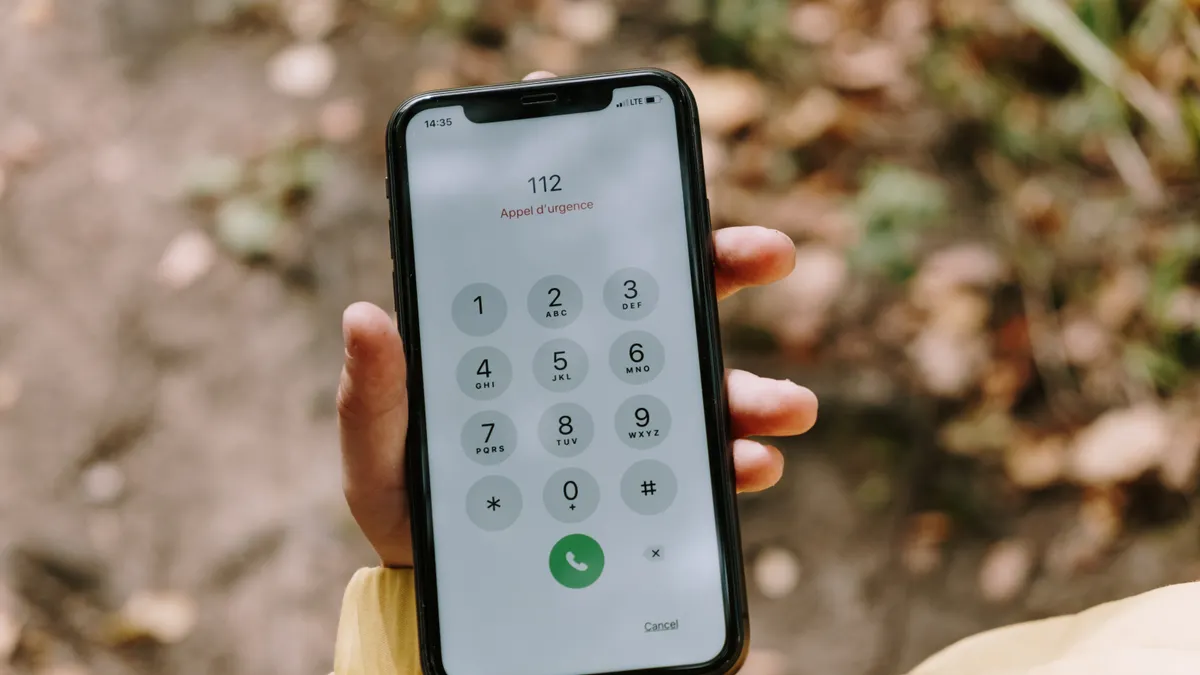
Check the number against an official source before you return the call. A practical first order is: read the full number, note the country code, compare it with the caller ID, then find the same business or person on an official website or in a trusted directory. If the number only exists in the missed call and nowhere else, hold off on calling back.
The first thing I want a reader to do is copy the number exactly as shown. Keep the country code if it appears, such as +1, +44, or +61, because that can tell you whether the call came from a different region or was formatted by a VoIP system. A number that starts with an unexpected code is not automatically suspicious, but it does deserve a second look.
Next, compare the caller ID name with the digits. Caller ID can show a business name, a city, or just “Unknown,” and none of that proves the caller is who they claimed to be. If the display says a bank, insurer, delivery company, or government office, do not use the callback number from the screen. Open the official website in a browser you typed yourself and find the company’s published contact number there. For businesses in the U.S., the FTC says to use contact information from an official source rather than the message itself. FTC
If the number is for a person rather than a company, look for a reverse phone lookup result. That can tell you whether the number is listed as mobile, landline, or VoIP, and sometimes whether it has a public name attached. Treat that as a clue, not a verdict, and if the matter is sensitive, consult a professional or another trusted contact method before calling back. A lookup that returns no clear match is common; it only means the number is not well indexed, not that it is fake.
If the number came by voicemail, listen to the full message once and write down any extension, case number, or department name. A legitimate callback often includes a reason for the call, a company name, and a way to verify the department through the main switchboard. If the voicemail urges immediate action, payment, or secrecy, stop there and verify through the official website instead of the message.
How do I check if a phone number is real?
A real phone number usually connects to a valid line, but that alone does not prove the caller’s identity. The practical check is to see whether the number is consistent across caller ID, reverse lookup results, and the official source tied to the claimed caller.
Start with the formatting. A valid-looking number should have the right country code and the expected number of digits for that region. If the number is missing a code for an international call, or it uses a format that does not fit the country it claims to come from, that is a sign to slow down. This is especially useful when the call appears to come from overseas but the caller sounds local.
Then run a reverse phone lookup. A reverse lookup is useful because it can show whether the line is associated with a carrier, a VoIP provider, or a public listing. It may also reveal whether the number has been reported as a spam source. The limitation is simple: many legitimate numbers are not listed, and many mobile numbers resolve to very little. A blank result does not mean the number is fake; it only means the lookup database has little to show.
For company calls, use the number listed on the company’s official website, not the one the caller left in voicemail. If the message says it is from your bank, utility, insurer, or package carrier, go to the site directly and call the main published line. Ask the operator or menu system to route you to the department named in the voicemail. That extra minute matters more than trusting a direct callback number. The FCC also advises using a known, published number when you want to confirm a caller’s identity. FCC caller ID spoofing guide
A useful sanity check is whether the caller offers a case reference or department name that you can confirm independently. A real business often leaves enough detail to verify it on the official site or through the main switchboard. A caller who cannot be traced anywhere except the missed call is the one to pause on.
Verify the phone number by tracing the source, not the story
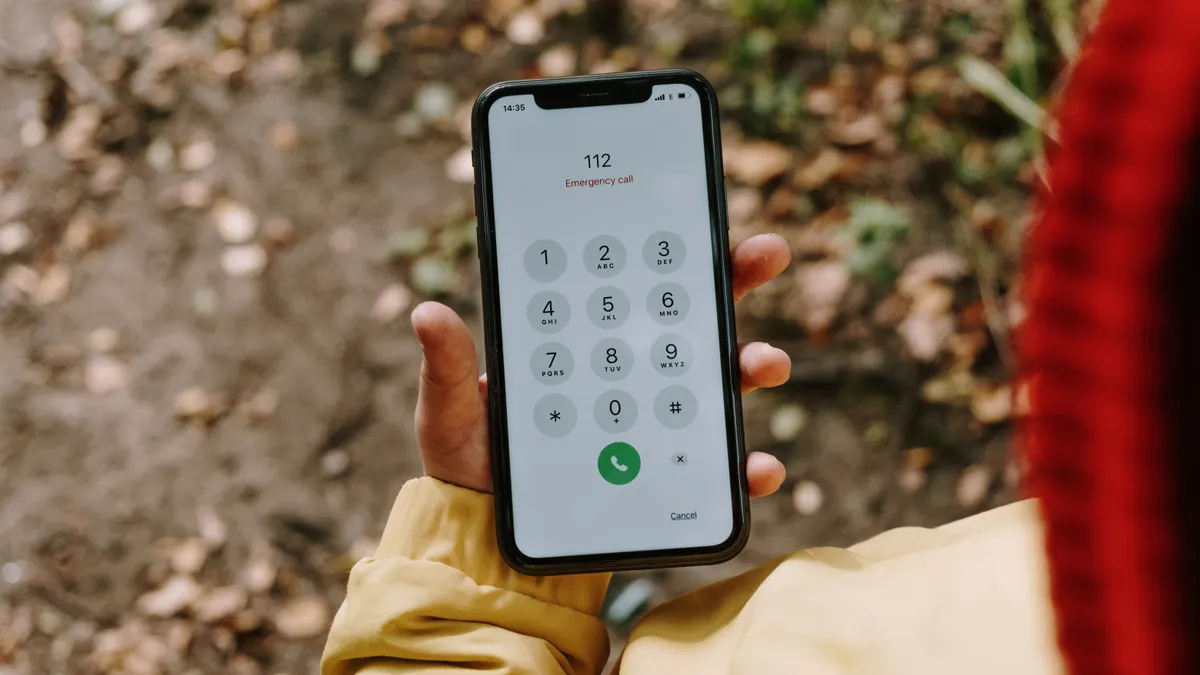
The safest verification is to prove the number belongs to the claimed source before you dial it. The story attached to the call can be invented in seconds; the published contact path on the official website is much harder to fake.
First, search for the organization’s official website and find its contact page yourself. Do not follow a number read to you over the phone, pasted into voicemail, or shown only in caller ID. If the organization is real, its website will usually list a main number, a support line, or a switchboard. Use that number to ask whether the missed call came from them or from the department that claimed to call you.
Second, if the caller said they were a business employee, check whether the number matches that business’s published call center or local office line. Many companies use pooled phone systems, so the exact outbound number may not be public. That is normal. What you want to confirm is the department and the callback path, not to force an exact one-to-one match that the company never promised.
Third, pay attention to whether the number appears to be a VoIP number. VoIP lines are common for businesses, remote teams, and customer support centers. They are not suspicious by default, but they are easier to route, mask, and reassign than a fixed landline. That is why a VoIP number should be confirmed through the company’s own contact page, not trusted because it sounds official. The FTC notes that spoofed numbers can look local or familiar even when they are not. FTC
A good sign is when the official website, the voicemail message, and the main switchboard all point to the same organization and department. A bad sign is when the caller insists you must use only the number they left, especially if they discourage you from hanging up and calling the published line. When those paths disagree, the published line wins.
What caller ID spoofing changes about your callback
Caller ID spoofing means the displayed number can be altered, so the number on your screen is not proof of who called. This matters because a spoofed caller ID can look local, familiar, or tied to a trusted brand.
The basic trap is easy: a call appears to come from a bank, doctor, delivery company, or neighbor, and the screen shows a real-looking number. If you call that number back, you may reach someone unrelated, a voicemail box, or a forwarding system. The spoofed number can be completely innocent and still be used as a mask.
This is why I would not use caller ID as the first test for a callback. It is useful as a clue, but not as evidence. If the caller says they are from a company, call the company through its official website or the number on a bill, card, statement, or customer portal you already have. If the call is about a personal matter, verify the person through another channel you already trust, such as a known email address or a previously saved contact, before you return the call.
A second reason to be cautious is that caller ID often does not tell you whether the line is mobile, landline, or VoIP. Those are useful details, but they are not identity checks by themselves. A legitimate business can call from a VoIP system, and a scammer can borrow a local-looking number. The technology cuts both ways.
The rule I would keep is plain: if the caller wants you to act quickly, use the published callback path, not the displayed one. That is usually the way to separate a real organization from a number that merely looks real for a few rings.
When voicemail is enough, and when it is not
Voicemail is enough only when the message gives you a verifiable reason to call back and the callback path matches an official source. A name, department, and reference number can help; pressure, secrecy, or urgency without details should not.
Listen for three things: who is calling, why they are calling, and how they say you should respond. A message that gives a company name and a department, such as billing, claims, or support, is at least something you can check against the company’s official website. A message that says “urgent matter,” “legal issue,” or “account problem” without a clear department is weaker evidence.
If the voicemail includes a callback number, do not assume it is safe just because it was recorded. Compare it to the number on the official website. If they differ, use the official one. If they match, that is a better sign, but it still helps to call through the main switchboard rather than directly from the voicemail if the issue is sensitive or financial.
For personal voicemails, the safest path is to verify the person through another known number or contact method. If someone claims to be a family member, friend, landlord, or contractor, and you do not already have their number saved, find a number from a previous message thread, a business card you already have, or a known listing you can independently confirm. Do not use a brand-new number from the voicemail alone when the matter involves money, access, or account recovery.
A voicemail is strongest when it gives you a path to verify and a reason that fits what you already know. It is weakest when it demands a callback without giving you a way to prove the line belongs to the caller.
Common mistakes when verifying a phone number
The biggest mistake is trusting the number that contacted you and calling it back without checking a second source. That can send you straight back into a spoofed line or a lookalike business. The fix is simple: open the official website or use a number you already trust for that company.
Another mistake is relying on a reverse phone lookup as if it were a certificate. A lookup can help you sort a VoIP line from a likely mobile or landline, and it may give you a name, but it cannot prove the caller’s claim. The cost of overtrusting a lookup is that you may call back a number that is technically real but tied to the wrong person or a recycled listing.
A third mistake is ignoring the country code. If the number begins with an unexpected international prefix, the call may still be legitimate, but it may also be routed from a different region or service. That matters when you are expecting a local company. Check the official contact page to see whether the business uses international support lines or local numbers before you call.
A fourth mistake is treating voicemail urgency as proof. “Call back immediately” is not a verification method. If the message says the issue is time-sensitive, slow down long enough to confirm the number through the main published contact line. A real organization will still be there after a 2-minute verification step.
The last mistake is assuming a known-looking name on caller ID means the number is safe. Caller ID spoofing is common enough that the display alone should never be your only check. If the call matters, use the official website, the published switchboard, or a number already saved in your contacts. That habit prevents most bad callbacks with almost no extra effort.
If you want the broader playbook for checking people before you trust them online, the hub on how to verify someone’s identity before you trust them online is the right next step.
Can caller id be spoofed?
Yes. Caller ID can be altered so the number or name on the screen does not match the real originating line. That is why a callback based only on caller ID is risky, especially for banks, delivery firms, and support desks. Use the company’s official website or a trusted published number instead.
How do I check if a phone number is real?
Start by checking the number’s format, country code, and whether a reverse phone lookup returns a plausible listing. Then compare it with an official website or a known published contact path. A number can be real and still not belong to the person who claimed it, so treat “real” as only one part of the check.
Should I call back a number from voicemail?
Only after you compare it with an official source. A voicemail can be useful because it gives you a department name, reference number, or reason for the call, but the callback number itself can still be spoofed or reused. If the message is about money, access, or account recovery, use the company’s published main line instead.
Drafted with AI; not yet reviewed by a person.